
There’s a quiet frustration in a lock that grinds a little more each time you turn it. CBD Express Locksmith diagnoses the fault properly — repairing what’s worn, not replacing what isn’t — so your Sydney CBD door works the way it should.
We assess honestly, repair what’s genuinely salvageable, and treat every lock with the attention it needs to last. Our skilled technicians restore smooth function properly, not just temporarily, every single visit.
We understand a faulty lock disrupts your day, so our technicians assess the issue promptly and start repairs without hesitation.
We understand full replacement isn’t always needed, so our technicians repair individual parts without unnecessary cost.
Every technician explains the fault clearly before proceeding, giving you full understanding of what’s actually being fixed.
Internal springs weakening over time cause locks to feel sluggish or unresponsive during everyday use. It happens gradually, often unnoticed until the latch stops retracting properly one day. Our technicians replace the worn component precisely, restoring smooth operation without needing a full lock replacement. This is especially common in older buildings with original, decades-old hardware still installed. Quick repair work keeps your existing lock reliable for years longer.

Moisture creeping into a lock cylinder gradually causes stiffness, grinding, or complete seizure over time. It happens most often on exposed exterior doors facing wind, rain, or coastal air. Our technicians clean and lubricate the mechanism thoroughly, restoring smooth key turns without unnecessary replacement costs. This issue tends to worsen quickly once corrosion sets in properly. Regular maintenance checks help residents avoid sudden lock failure altogether.

A door that’s shifted slightly can throw the whole locking mechanism out of proper alignment. Seasonal changes, settling foundations, or heavy use are common triggers behind this frustrating fault. Our technicians adjust the strike plate and hinges carefully, restoring smooth latching without replacing the lock itself. This problem often gets mistaken for a faulty lock when the door’s actually to blame. Fixing the alignment properly saves unnecessary hardware replacement expenses later.

A key breaking mid-turn leaves the fragment lodged awkwardly inside the cylinder itself. Metal fatigue, forceful turning, or a worn key edge are typical causes behind this common issue. Our technicians extract the broken piece carefully, checking the mechanism isn’t damaged before cutting a fresh replacement. This tends to happen with older keys that haven’t been replaced in years. Quick removal prevents the lock from jamming completely afterward.
A lock that’s started sticking, grinding, or resisting your key doesn’t automatically mean it needs replacing. In a genuine majority of cases across Sydney’s CBD, the issue can be properly diagnosed and repaired for a fraction of the cost of new hardware — provided it’s assessed correctly rather than guessed at. Given how much daily traffic passes through commercial and residential doors in the city, lock repair is one of the most consistent calls we receive.
CBD Express Locksmith handles lock repairs across Sydney’s CBD, from heritage-listed buildings near Martin Place to modern office towers and residential apartments scattered throughout the city grid. This guide covers exactly why locks fail, how to tell whether repair or replacement makes sense, and what a proper repair visit actually involves.
A rushed assessment hears “the key sticks” and jumps straight to a cylinder replacement. A proper diagnosis checks for internal debris, tests alignment against the strike plate, feels for specific points of resistance, and only then decides on cleaning, realignment, component replacement, or full hardware replacement. In a CBD building, this also means checking whether the issue is isolated to one unit or reflects a broader pattern across the building’s entry points.
A significant number of “lock problems” are actually door or frame issues in disguise. Older CBD buildings, particularly heritage properties, can experience gradual structural movement over the decades, and even a small shift can throw a previously well-aligned lock out of sync with its strike plate. In these cases, adjusting the strike plate resolves the issue entirely without touching the lock mechanism at all.
A lock that’s been tampered with can continue turning and locking normally on the surface while carrying genuine internal damage. Any lock showing signs of tampering — scratches near the keyhole, a slightly bent strike plate — deserves a proper inspection regardless of whether it still seems functional, which is particularly important for ground-floor commercial premises in high-traffic CBD areas.
Many of Sydney’s CBD buildings, particularly around The Rocks and older commercial precincts, retain original hardware that’s genuinely decades old. Repairing these locks requires a different approach to modern hardware, since replacement parts aren’t always readily available and the internal mechanisms often differ significantly from contemporary locks. Our technicians assess whether original components can be cleaned, adjusted, and preserved, or whether a period-appropriate replacement is the more practical path forward.
Many CBD apartment buildings operate under strata management, and lock repairs for common area doors or building entries often require coordination with the strata committee or building manager. We’re experienced in working within these arrangements, providing clear documentation of work completed where required for strata records.
A struggling lock in Sydney’s CBD doesn’t automatically mean an expensive new installation. In a genuine majority of cases, careful, well-diagnosed repair restores full, reliable function at a fraction of replacement cost. CBD Express Locksmith approaches every repair with honest diagnosis first, so the fix you get actually addresses the real problem, whether that’s a heritage building’s original hardware or a modern high-rise’s contemporary locks.
Same-Day Appointments Available
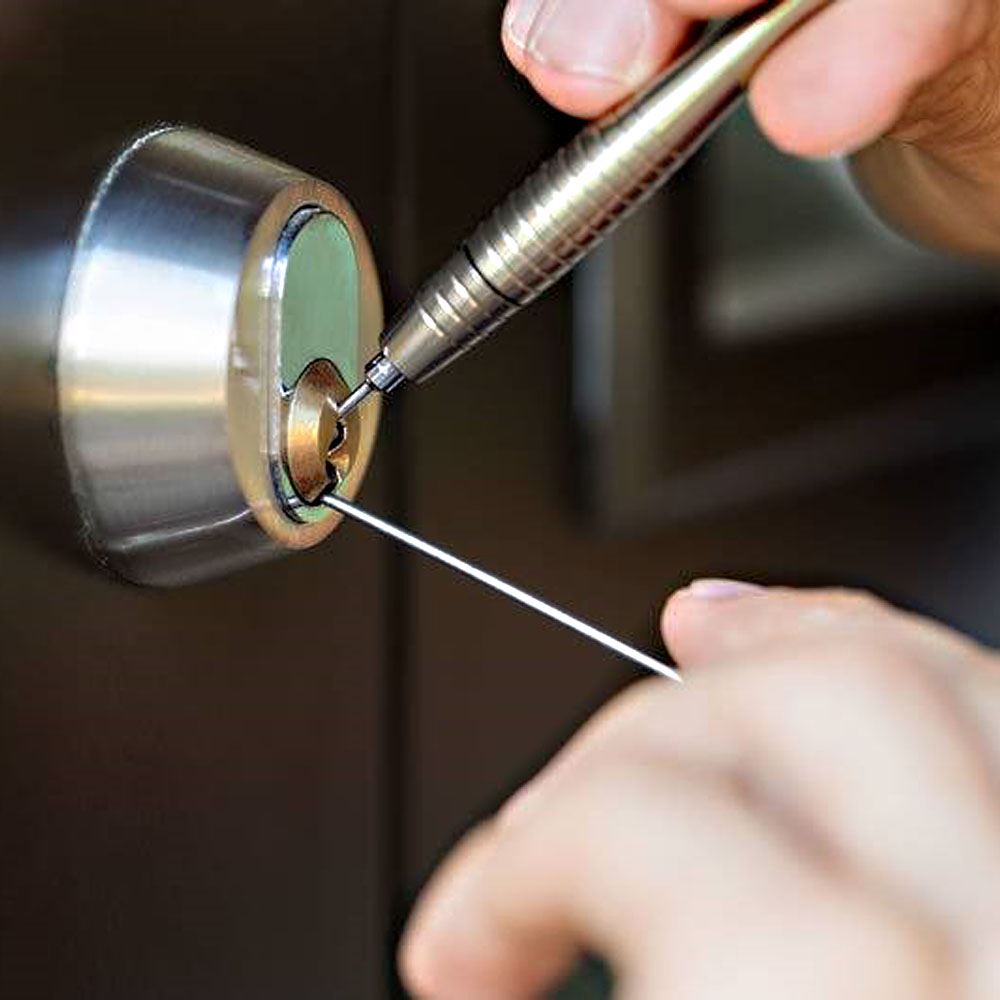
If the key sticks or the latch feels slow, repair is often possible, and an honest assessment is given first.
Yes, in most cases the fragment can be extracted and the mechanism confirmed to still work properly.
This is usually due to worn internal pins or a lack of lubrication, not a damaged key itself.
Often yes, cleaning and lubricating the mechanism can restore function without needing full replacement.
Most repairs are completed within 30–60 minutes, depending on the extent of the wear involved.
