
There’s a particular kind of dread when the door clicks shut and the keys are still on the counter. CBD Express Locksmith opens it properly — picks and tension tools, not force — so your Sydney CBD home looks untouched once we’re done.
We respond fast, use safe non-destructive entry methods, and treat every home with the care it deserves. Our verified technicians make sure you’re back inside quickly and securely, every time.
We understand every minute matters during a lockout, so our technicians arrive quickly and get to work without delay.
We understand privacy matters, so our technicians work quietly and resolve the lockout without drawing attention.
Every technician confirms identification before entry, giving you extra confidence and security when you need help most.
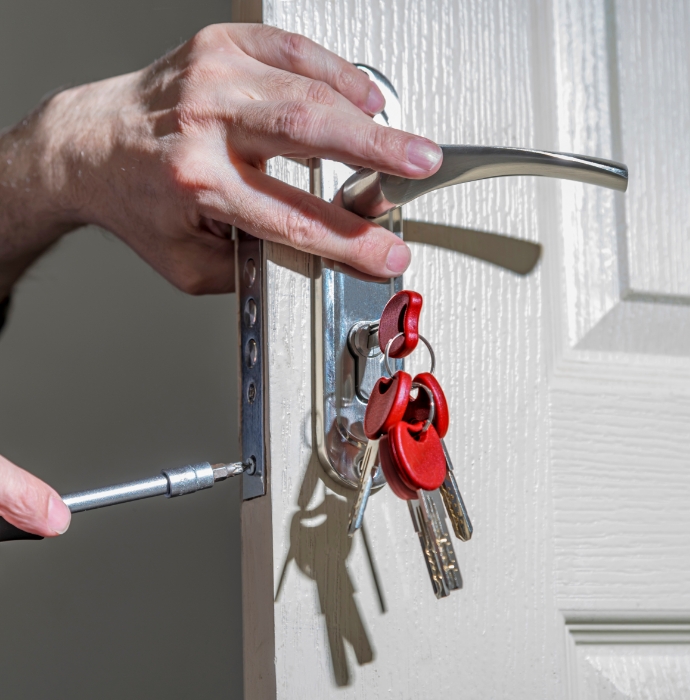
Losing track of keys ranks among the top reasons Sydney CBD residents end up stuck outside. It happens after work, during a hectic morning, or following a night out with friends. Our technicians respond promptly, using non-destructive methods to restore access without wasting your time. Busy households juggling multiple commitments are especially prone to this. Reliable, quick service means you’re rarely left waiting on your own doorstep.
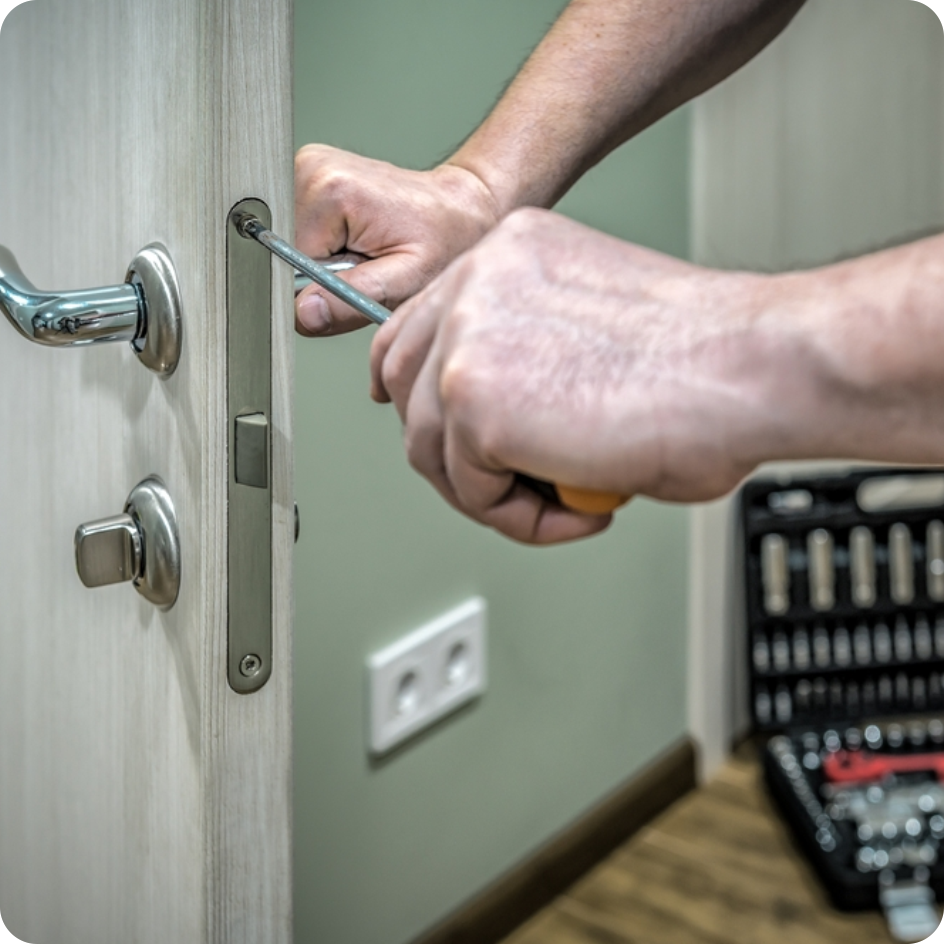
A key snapping inside the lock catches most residents completely off guard. It often happens with older, worn keys that have weakened gradually over years of use. Our technicians extract the fragment carefully, protecting the internal mechanism from further damage during removal. This issue tends to surface suddenly, with little warning beforehand. Prompt attention prevents a small inconvenience turning into a costly lock replacement.
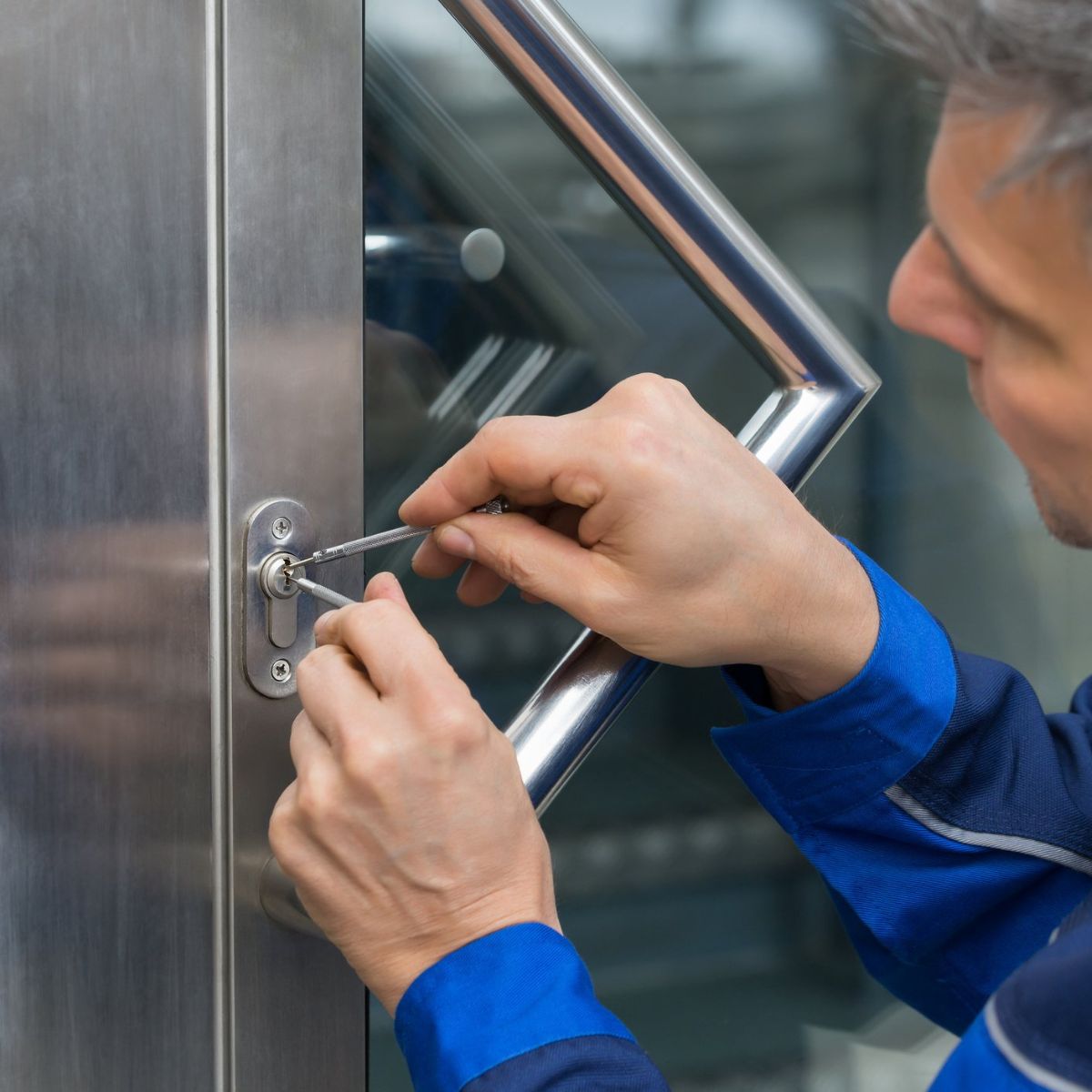
A latch that no longer catches properly can leave a door swinging open, or worse, sealed shut unexpectedly. Corrosion, worn springs, or a shifted strike plate are common culprits behind this frustrating fault. Our technicians diagnose the issue on-site, resolving access before deciding whether repair or replacement suits the situation best. Older properties with original hardware face this more frequently than newer builds. Getting it checked early avoids repeated lockouts down the track.
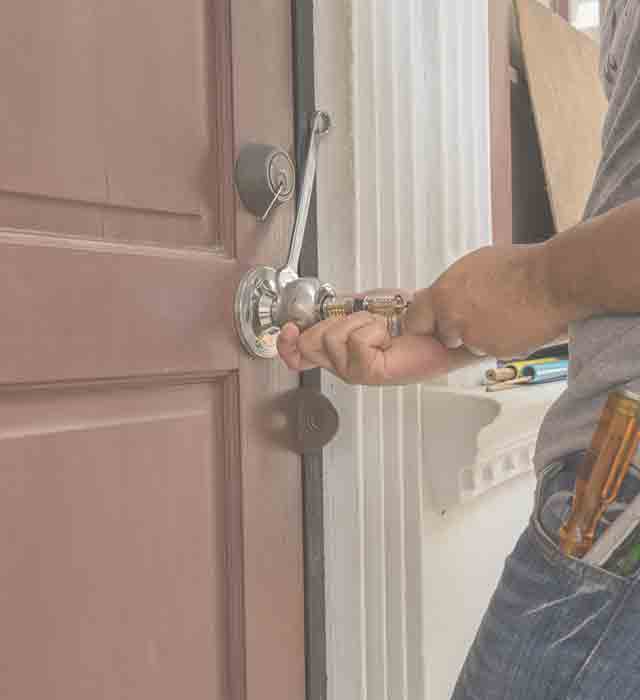
Rushing out the door with your mind elsewhere is a surprisingly common trigger for lockouts. Wind slamming a door shut, or simply forgetting keys mid-thought, happens more than most admit. Our technicians arrive swiftly, using precise entry techniques that leave your lock completely undamaged afterward. This scenario catches busy households off guard at the worst possible moments. Fast response gets you back inside without a long, frustrating wait.
There’s a very specific sinking feeling that comes with standing outside your apartment or office building in the middle of Sydney’s CBD, keys nowhere to be found, watching the foot traffic pass by while you work out what to do next. If you’re dealing with a house or apartment lockout somewhere in the CBD right now, you’re not alone — this is one of the most common calls any city locksmith receives, and in the vast majority of cases, it’s a fast, straightforward fix that doesn’t involve damaging your door or your lock.
CBD Express Locksmith services residential lockouts across Sydney’s CBD, from the high-rise apartment towers around Barangaroo and Darling Harbour to older heritage buildings near The Rocks and converted warehouse apartments closer to Surry Hills and Haymarket. Over the years we’ve seen every version of this scenario — the self-locking door that shuts behind you on your way to the lift, the key that snaps off in an ageing cylinder, the lost set somewhere between the office and home. This guide covers exactly what’s happening when you’re locked out, how a professional actually gets you back inside, and what you can do afterwards to make sure it doesn’t happen again.
Sydney’s CBD housing stock is genuinely varied — modern high-rise apartment towers with electronic access systems layered over traditional mechanical locks, converted heritage buildings with original hardware, and newer boutique developments closer to the harbour. Each type of property brings its own particular lockout risk factors, often compounded by the fast-paced, always-on nature of city living.
Before doing anything drastic, run through this sequence — it’s exactly what we talk people through when they call us.
This part tends to surprise people — it’s rarely as dramatic as it looks in movies, and it almost never involves damage.
Drilling a lock is a genuine last resort, not a default move. It typically only becomes necessary when:
Even in these cases, a competent locksmith drills only the cylinder — your door, frame, and handle stay untouched, and a new cylinder can usually be fitted within minutes.
Expect to be asked for some form of ID or proof of address when you call — a driver’s licence, a lease agreement, a piece of mail, anything reasonably tying you to the property. This isn’t red tape for its own sake. It’s a basic safeguard that protects you and your home, and it’s particularly important in dense CBD apartment buildings where a locksmith might otherwise be opening dozens of nearly identical doors across a single building each year. A locksmith who skips this step entirely and opens a stranger’s front door without question isn’t someone who should be anywhere near your security.
Most house and apartment lockouts across the CBD are resolved fully in a single visit.
Before letting anyone attempt entry to your home, it’s worth knowing what separates a legitimate operator from someone who isn’t:
Once you’re back inside, it’s worth spending a few minutes thinking about how to stop this happening again.
It’s worth flagging the difference between a straightforward lockout and one that follows tampering. If your door shows scratching around the lock face, a damaged frame, or signs of forcing when you arrive home, that’s a different situation — one where the lock itself should be assessed for replacement, not just re-entered. Never assume a lock is still fully secure after visible interference, even if the key still turns normally. In an apartment building, this is also worth reporting to your building manager or strata committee, since it may affect broader building security.
A house or apartment lockout somewhere in Sydney’s CBD is stressful in the moment but genuinely one of the most routine calls a locksmith handles. Check the obvious things first, resist the urge to force your way in, and call a licensed professional who can get you back inside without damaging your door. Use the experience as a nudge to sort a proper backup — a spare key with someone you trust, a conversation with your building manager, or a smart lock — so the next lockout doesn’t leave you stranded in the middle of the city.
Same-Day Appointments Available

Most callouts are reached within 15–25 minutes, given how central the CBD area is for our team.
In most cases no, picks and tension tools are used first, keeping the lock and door intact.
The door can be opened and the lock rekeyed on the spot, so the lost keys stop working.
Photo ID or proof of address is required to confirm you're authorised to access the property.
The situation is explained clearly, and drilling is only used as a last resort with your approval.
