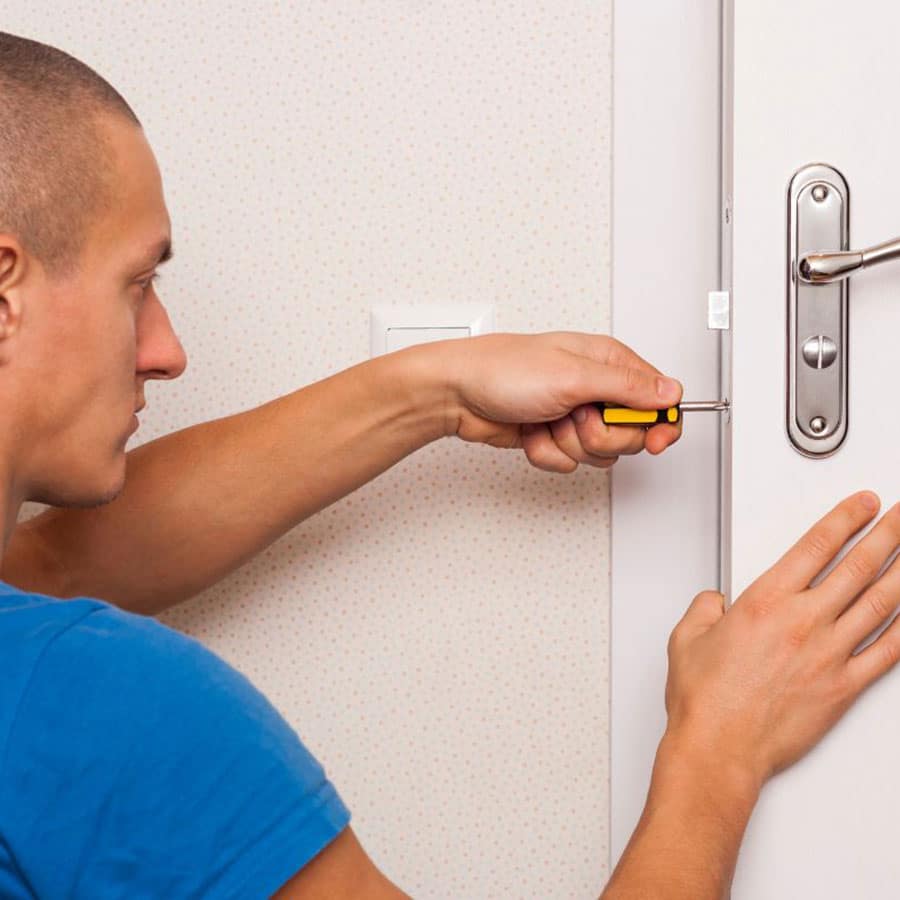
There’s a stubbornness in a lock that sticks a little more with every passing week. CBD Express Locksmith inspects the mechanism carefully — repairing worn parts, not masking the issue — so your Sydney CBD door latches smoothly again.
Standing outside your own front door isn’t a moment anyone wants to draw out. Our technicians treat every Bondi callout with real urgency, using entry methods that leave your lock and door exactly as they found them.
We understand a sticking lock only worsens with time, so our technicians diagnose and repair it without delay.
We diagnose carefully, repair what’s actually faulty, and treat every mechanism with the attention it needs to work again. Our skilled technicians restore reliable function properly, every time we’re called.
Every technician confirms smooth operation before leaving, giving you certainty the issue’s genuinely resolved.

A door handle that’s become loose can throw off the entire locking mechanism’s alignment. This often develops gradually through daily use, screws loosening bit by bit over time. Our technicians tighten and realign the hardware, restoring proper function without needing full replacement. This is a common, often overlooked issue in busy properties with high door traffic. A quick tightening job prevents a bigger mechanical failure later on.

A deadbolt that’s taken a knock can bend slightly, making it difficult to extend or retract. This sometimes happens after an attempted break-in or simply years of forceful use. Our technicians examine the bolt closely, straightening or replacing it depending on the extent of damage. This issue is more common than most owners realise until the lock stops working. Addressing it quickly restores full function before the bolt fails entirely.

Doors facing direct sun, rain, or wind often see their locks wear out faster than sheltered ones. Constant temperature and moisture changes gradually affect the internal components over time. Our technicians service weather-affected locks specifically, addressing corrosion and material fatigue directly. This is particularly relevant for exposed entryways across various Sydney CBD properties. Regular attention keeps these harder-working locks performing reliably for longer.
A latch that catches or drags slightly is often an early sign of developing wear. It’s easy to ignore at first, until the door eventually stops closing properly at all. Our technicians identify the root cause quickly, adjusting or repairing components before failure occurs. This is one of the most common early warning signs we see across the area. Fixing it early is far simpler than dealing with a fully seized lock.
A door lock that’s started sticking, grinding, or resisting your key doesn’t automatically mean it needs replacing. In a genuine majority of cases across Sydney’s CBD, the issue can be properly diagnosed and repaired for a fraction of the cost of new hardware, provided it’s assessed correctly rather than guessed at. Given how much daily use CBD doors see, whether in a busy apartment building with dozens of residents passing through shared corridors, or a high-traffic commercial tenancy opening and closing hundreds of times a day, door lock repair is one of the most consistent calls we receive across the city.
CBD Express Locksmith handles door lock repairs across Sydney’s CBD, from heritage apartment hardware in converted warehouse buildings near Surry Hills’s fringe, to modern high-rise units close to Barangaroo, and commercial premises scattered throughout the city grid. This guide covers exactly why door locks fail, how to tell whether repair or replacement genuinely makes sense, and what a proper repair visit actually involves from start to finish.
A key that’s always been a touch stiff isn’t necessarily cause for immediate concern, some locks simply have a slightly firmer action from the day they were installed. A key that’s suddenly become noticeably harder to turn over the past week or two, however, usually signals something actively worsening that’s genuinely worth addressing before it fails completely at an inconvenient moment. A lock that feels physically loose in the door, wobbling slightly when touched, points toward a hardware or frame issue rather than the internal mechanism itself, and that distinction genuinely changes what kind of repair is actually needed to properly fix it.
A rushed assessment hears “the key sticks” and jumps straight to a cylinder replacement without a second thought about the actual cause. A proper diagnosis checks for internal debris buildup, tests alignment against the strike plate, feels for specific points of resistance throughout the turning motion, and only then decides on cleaning, realignment, component replacement, or full hardware replacement. This methodical approach is genuinely what separates a lasting fix from a quick patch that fails again within a matter of weeks.
A significant number of “lock problems” reported to us are actually door or frame issues in disguise, rather than a genuine fault with the lock mechanism itself. Older CBD buildings, particularly heritage character properties, can experience gradual structural movement over the decades, and even a small shift measured in millimetres can throw a previously well-aligned lock out of sync with its strike plate. In these cases, adjusting the strike plate resolves the issue entirely without needing to touch the lock mechanism at all, a considerably cheaper and simpler fix once correctly identified by an experienced technician.
A lock that’s been tampered with can continue turning and locking normally on the surface while carrying genuine internal damage that quietly weakens its actual resistance to a second attempt at forced entry. Any lock showing signs of tampering, scratches near the keyhole, a slightly bent strike plate, deserves a proper, thorough inspection regardless of whether it still seems to function normally on a day-to-day basis.
Many CBD buildings, particularly around The Rocks and similar older precincts, retain original hardware that’s genuinely decades old. Repairing these locks requires a meaningfully different approach compared to modern hardware, since replacement parts genuinely aren’t always readily available off the shelf. Our technicians assess whether original components can be properly cleaned, adjusted, and preserved, or whether a period-appropriate replacement is the more practical and realistic path forward for that specific building and door.
Repairs affecting common area doors or building entries within a strata-managed CBD apartment building often require coordination with a strata committee or building manager before work can genuinely proceed. We’re experienced working within these arrangements, understanding what typically requires formal approval versus what can proceed as routine maintenance, and we can provide clear documentation of completed work where required for strata records.
Some CBD apartments, particularly those with balcony access, use sliding door mechanisms that behave quite differently to standard hinged doors. These systems can develop their own particular issues, including track debris affecting how smoothly the door moves and, in turn, how well the lock actually engages with its corresponding latch point. Our technicians assess both the track and the lock together, rather than focusing on the lock in isolation and missing the genuine underlying cause.
A struggling door lock in Sydney’s CBD doesn’t automatically mean an expensive new installation is required. In a genuine majority of cases, careful, well-diagnosed repair restores full, reliable function at a fraction of replacement cost. CBD Express Locksmith approaches every door lock repair with honest diagnosis first, checking for debris, testing alignment, identifying the real underlying cause, so the fix you actually receive genuinely addresses the problem rather than simply papering over it for a few weeks before it inevitably resurfaces.
Same-Day Appointments Available
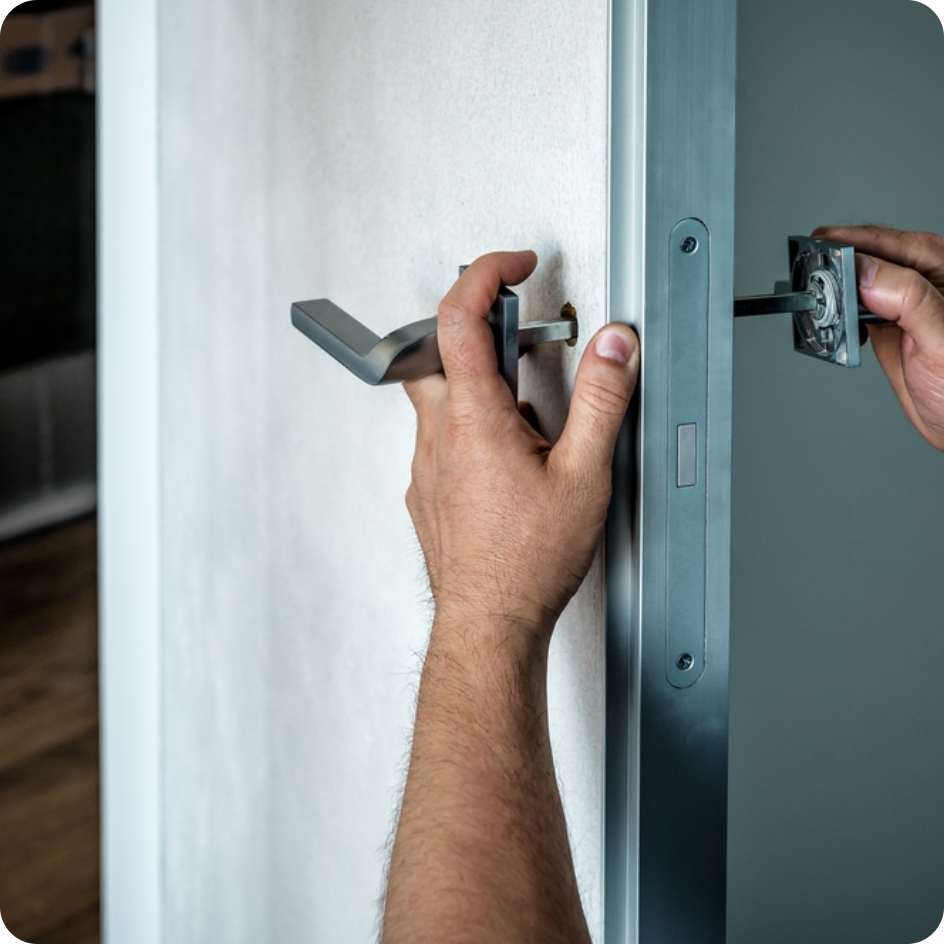
This is often caused by loosened screws or a worn strike plate, both fixable without full replacement.
Yes, a shifted door frame is a common cause mistaken for lock failure.
Often yes, cleaning and addressing corrosion can restore smooth function in most cases.
If it catches, drags, or fails to retract fully, that's usually an early sign worth addressing.
Yes, most sticking lock repairs are resolved within the same visit.